
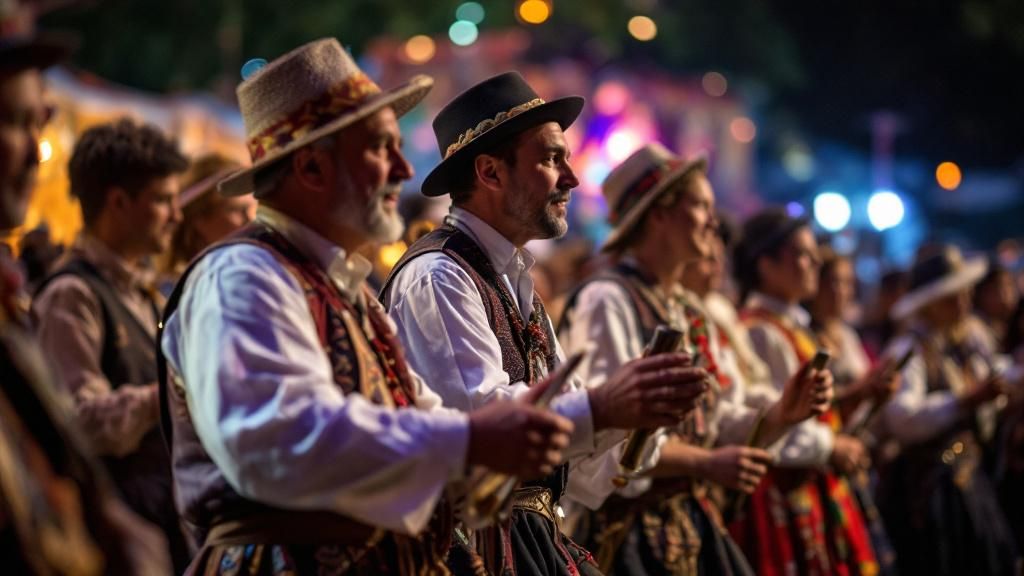
Across the British Isles, lively folk festivals highlight the colourful spectrum of regional traditions that represent Scotland, Wales and England. From spirited ceilidhs in the Highlands to vibrant eisteddfods in Welsh valleys, these gatherings maintain centuries-old customs whilst fostering community bonds in joyful harmony. This article explores the most captivating festivals that celebrate community heritage, examining how folk music, dance and oral traditions thrive in modern Britain, and why these beloved events remain vital to cultural heritage and regional pride.
Scottish Highland Games and Conventional Festivities
The Heritage of Highland Athletic Competitions
The Scottish Highland Games constitute one of Britain’s most celebrated cultural celebrations, drawing visitors from around the world to witness displays of heritage sports and heritage. These gatherings, occurring across the summer season in towns throughout Scotland, feature unique contests including tossing the caber, putting the stone and hammer throwing. Rooted in age-old tribal meetings, Highland Games represent the spirit of Scottish fortitude and shared heritage. The biggest gatherings, such as the Braemar Gathering, pull in thousands of spectators who acknowledge not merely sport, but the maintenance of Highland identity and heritage customs that have survived across centuries.
Music and dance constitute the cultural core of Highland Games events, with pipe bands contending intensely whilst traditional dancers execute intricate Highland reels and jigs. These displays celebrate Scotland’s musical heritage, featuring bagpipes, fiddles and drums that echo across glens and valleys. Competitors, often dressed in authentic tartan regalia, demonstrate remarkable skill and dedication to upholding these long-established customs. The atmosphere blends sense of competition with genuine camaraderie, as participants and spectators alike celebrate their mutual traditions and the lasting significance of Highland traditions in present-day Scottish culture.
Traditional Music and Ceilidh Culture
Ceilidhs, known as “kay-lees,” constitute quintessential Scottish community events where dancing, music and storytelling blend together. These informal celebrations showcase traditional Scottish folk musicians with accordions, fiddles and pipes whilst attendees take part in lively country dances and reels. Ceilidhs serve as important community venues where new generations acquire traditional dances and musical styles from experienced practitioners, securing cultural knowledge passes smoothly across age groups. Whether taking place in local halls or festival venues, ceilidhs capture the convivial spirit of Scottish heritage, inviting both experienced dancers and complete novices into welcoming, joyful celebrations.
The revival of ceilidh culture throughout Scotland illustrates how time-honoured festivities evolve and thrive within modern contexts. Modern ceilidhs often blend authentic heritage with contemporary social practices, drawing diverse audiences including tourists, working professionals and people looking for meaningful cultural engagement. Established ceilidh ensembles travel regularly, playing at celebrations, weddings and local gatherings, whilst casual performances in pubs and community centres sustain customs within communities. This vibrant ecosystem maintains Scottish musical heritage stays contemporary and meaningful, providing spaces where heritage and contemporary culture coexist harmoniously within communities throughout the nation.
Seasonal Celebrations and Regional Differences
Scotland’s annual events programme features a wide range of local festivals that showcase local heritage and cultural importance during every season. Events like the Edinburgh Festival Fringe showcase contemporary Scottish culture alongside traditional performances, whilst local celebrations honour regional heritage and traditions unique to separate communities. Winter festivals, featuring year-end celebrations throughout Edinburgh and beyond, showcase heritage sounds, street performances and collective celebrations that mark the change of year. These regular festivities generate regular cultural cycles that link people with their place, past and common practices, strengthening regional identity through ongoing festivities and communal involvement.
Regional variations in festival traditions showcase Scotland’s diverse geographical and cultural landscape, with island communities, lowland towns and highland regions each maintaining distinctive festive practices. The Shetland Folk Festival honours Nordic influences capturing the islands’ Viking heritage, whilst West Highland festivals highlight Gaelic language and culture. These variations illustrate how Scottish traditions remain living, evolving practices rather than static historical artefacts. Communities actively mould their festivals to embody contemporary values whilst respecting ancestral customs, creating celebrations that feel authentically rooted in local experience. This dynamic approach ensures Scottish folk traditions sustain relevance and vitality across generations.
Welsh National Eisteddfod: Music, Poetry and National Heritage
A Long-Standing Custom
The Welsh Eisteddfod serves as one of Britain’s most prestigious cultural celebrations, with roots stretching back over a thousand years. This remarkable festival showcases the very core of Welsh identity through competitive performances in music, poetry and drama. Participants throughout Wales and beyond assemble to display their creative abilities, vying for renowned accolades and recognition. The event represents the Welsh dedication to maintaining the Welsh language and heritage, making it much more than a simple entertainment venue—it represents a living connection to ancestral customs and national identity.
Held every year in various venues throughout Wales, the National Eisteddfod attracts thousands of participants and audiences who celebrate Welsh artistic excellence. The festival features performances in both Welsh and English, though the Welsh language remains central of its identity and purpose. Choirs, soloists, instrumentalists and poets showcase remarkable ability across various divisions and age brackets. The drive to compete promotes high standards whilst building community participation, making the Eisteddfod a cornerstone of Welsh artistic heritage and a beacon of creative excellence throughout the nation.
Poetic and Musical Achievement
Music represents the vital core of the Welsh Eisteddfod, with vocal ensembles embodying a widely treasured tradition. Welsh male voice choirs have achieved worldwide recognition, their rich vocal textures reverberating throughout valleys and concert halls worldwide. The festival offers a platform for these ensembles to demonstrate their artistry and devotion, competing intensely for distinction. Beyond choral music, the Eisteddfod honours individual singers, instrumentalists and modern musical artists, ensuring that different musical forms enjoy equal appreciation and promotion within this esteemed cultural framework.
Poetry contests at the Eisteddfod maintain the ancient Welsh bardic tradition, honouring linguistic artistry and artistic creativity. Competitors craft verses in Welsh, examining themes ranging from personal emotion to national significance. The Crown and Chairing ceremonies recognise the year’s most distinguished poets, conferring honour and prestige upon winners. These poetic competitions preserve the Welsh language’s beauty and complexity, inspiring new generations to participate in traditional literary forms whilst exploring contemporary themes, ensuring this important cultural tradition continues to thrive and evolve.
Community Influence and Cultural Significance
The Eisteddfod’s impact goes well past the event venue, profoundly shaping Welsh communities and cultural heritage. Local eisteddfods throughout Wales develop emerging artists and encourage participation from every age group and skill level. Schools, villages and towns run their own events, creating pathways for people to build artistic abilities and gain confidence. This ground-level strategy guarantees that the Eisteddfod’s ideals reach Welsh society, creating an environment where artistic involvement and cultural expression are celebrated and valued across the entire nation.
Beyond its artistic accomplishments, the National Eisteddfod operates as a powerful symbol of Welsh identity and resilience. The festival generates economic benefits for local areas whilst reinforcing community connections and heritage appreciation amongst participants and audiences alike. By preserving the Welsh language and celebrating indigenous artistic traditions, the Eisteddfod ensures that Welsh cultural heritage remains dynamic and significant for coming generations. Its lasting achievement demonstrates how heritage festivals can evolve and thrive in modern times, remaining integral to regional identity and national awareness.
English Folk Celebrations and Cultural Customs
England’s folk festival landscape reflects a vibrant collection of local traditions and musical legacy that stretches across centuries. From the rolling Cotswolds to the dramatic Cornwall coastline, historic festivities showcase unique regional identity. Events such as the Sidmouth Folk Week and Cambridge’s Folk Festival attract thousands of enthusiasts each year, presenting authentic morris dancing, sea shanties and folk songs. These gatherings function as vital custodians of England’s cultural heritage, maintaining performance styles and musical methods that might otherwise fade from shared cultural memory.
The English traditional folk heritage encompasses diverse regional variations, each featuring particular features and heritage value. Northumbrian piping traditions for instance, varies considerably from West Country practices, whilst East Anglian customs maintain their own characteristic identity. Contemporary festivals recognise these variations whilst fostering community connections and cross-generational learning. Through workshops and informal performances, attendees connect directly with master musicians and accomplished performers, ensuring that conventional abilities keep thriving amongst younger audiences and maintaining the living cultural landscape that defines present-day English traditional culture.
Significant English Cultural Events
Established festivals throughout England provide key venues for folk artists and enthusiastic audiences alike. The Cropredy Convention near Banbury has gained legendary status amongst folk enthusiasts, honouring not only established artists but emerging talents within the community. Similarly, the Shrewsbury Folk Festival presents performers from the region alongside artists from abroad, fostering dynamic cultural exchanges. These events deliver substantial financial gains for neighbouring areas whilst strengthening England’s standing as a custodian of genuine folk heritage, attracting visitors from throughout Europe and further afield.
Beyond established festivals, numerous village celebrations and market town events preserve grassroots folk traditions throughout England’s diverse regions. Whitby Folk Week, perched on the Yorkshire coast, focuses on maritime heritage and traditional sea music, establishing links between contemporary performers and historical seafaring communities. Meanwhile, the Broadstairs Folk Week celebrates the lasting significance of traditional ballads and contemporary folk compositions. These smaller-scale celebrations often demonstrate considerable importance in preserving local customs, backing local musicians and sustaining the cultural continuity that characterises English heritage across generations and geographical boundaries.
